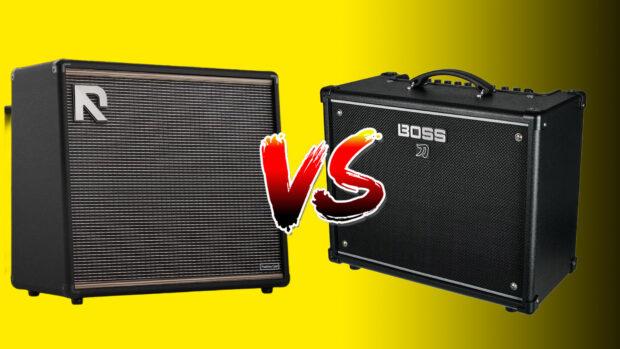
Positive Grid REACTOR vs Boss Katana Gen 3: Which Modeling Combo Should Guitar Players Buy?
Estimated reading time: 6 minutes
- Positive Grid REACTOR offers AI-assisted tone creation and flexible connectivity.
- Boss Katana Gen 3 is a proven and reliable choice with a vast effects library.
- Both amps are suitable for practice, rehearsal, and gigs, but they target different workflows.
- Weight, pricing, and I/O features differ between the models, influencing player preference.
- Your choice should align with your tone needs, workflow preferences, and gigging habits.
- The Big Picture
- Models, Power, Weight, and Price
- Amp Engines and Core Sounds
- Effects: Boss Quantity vs REACTOR Flexibility
- Presets and Foot Control
- Connectivity and Recording Features
- App Experience: AI vs Boss Tone Studio
- Tone and Feel: What Reviewers Are Saying
- Reliability, Ecosystem, and Community
- Which One Should You Buy?
- Final Verdict
The Big Picture
The simplest way to frame this comparison is:
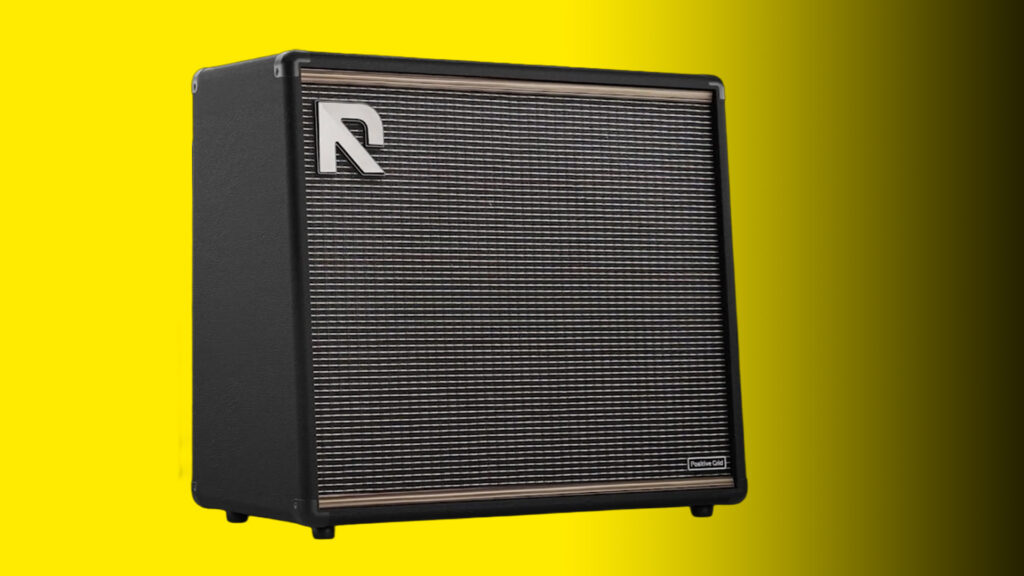
Positive Grid REACTOR is the more modern, app-centric, AI-driven “smart amp.” It is designed for players who want deep tone shaping, flexible routing, wireless control, and the ability to generate or refine sounds using text prompts, reference audio, or even images through the REACTOR app. PopSci describes it as an “intelligent guitar amplifier” that brings Positive Grid’s software-first heritage into a more stage-ready combo format.
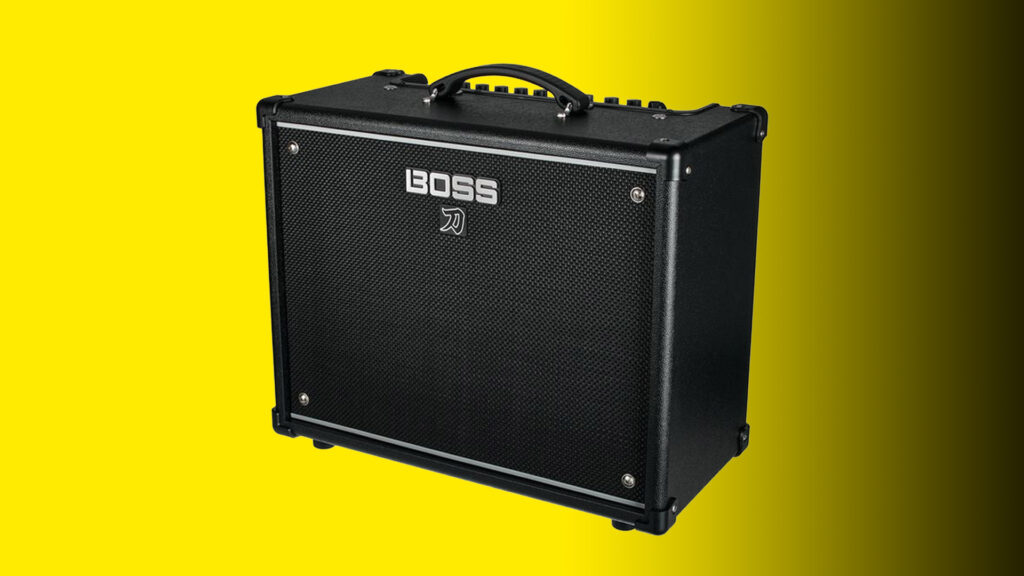
Boss Katana Gen 3 is the more traditional, proven, plug-in-and-play modeling combo. It builds on the Katana MkII with Boss’s familiar Tube Logic engine, a new Pushed amp type, Bloom voicing, and the same general workflow that made earlier Katanas so popular with bedroom players and gigging guitarists alike. MusicRadar calls the Katana Gen 3 a “great-sounding, feature-laden amplifier… perfect for home practice, taking to the stage or the studio.”
So, the decision is not just about which amp has “better tone.” It’s about which workflow fits your playing life.
Models, Power, Weight, and Price
The fairest comparison is between the 50-watt and 100-watt combos from each line.
The Positive Grid REACTOR comes in 50W and 100W versions. Both are solid-state combos with a single 12-inch custom speaker in a wooden cabinet. The REACTOR 50 offers power scaling at 50W, 25W, and 1W, while the REACTOR 100 offers 100W, 25W, and 1W modes.
The Boss Katana Gen 3 also comes in 50W and 100W versions with a single 12-inch custom speaker. The Katana-50 Gen 3 scales between 50W, 25W, and 0.5W, while the Katana-100 Gen 3 scales between 100W, 25W, and 0.5W.
For home players, both amps can get quiet enough for apartment or late-night practice. The Katana’s 0.5W mode is slightly lower than the REACTOR’s 1W setting, but in real-world use, both offer manageable practice volume.
Weight is close, but the REACTOR is slightly lighter:
- REACTOR 50: 10.7 kg
- REACTOR 100: 13.9 kg
- Katana-50 Gen 3: 11.6 kg
- Katana-100 Gen 3: 14.8 kg
That difference may not matter if the amp stays at home, but if you’re carrying it to rehearsals, lessons, church gigs, or pub shows, every kilogram helps.
Pricing is also competitive. According to Andertons’ launch pricing, the REACTOR 50 was listed at £299, while the Katana-50 Gen 3 was £269. The REACTOR 100 was £379, while the Katana-100 Gen 3 was £399. In other words, the 50W Katana is slightly cheaper, while the 100W REACTOR may offer better value on paper. PopSci lists US pricing for the REACTOR at $349 for the 50W and $499 for the 100W.
Amp Engines and Core Sounds
This is where the personalities of the two amps really start to separate.
The Positive Grid REACTOR uses what the company calls Amp Intelligence. Instead of presenting itself strictly like a traditional amp lineup, it offers six core amp types:
- Clean
- Warm
- Grit
- Crunch
- Hi-Gain
- Extreme
There are 24 factory amp models in total, and these can be swapped, overwritten, and customized through the app. The most headline-grabbing feature is AI tone creation. You can describe a tone — for example, “tight modern metal rhythm with a percussive low end” or “warm blues clean with spring reverb” — and the app generates a starting point. You can also use audio or image-based references to help shape tones.
The Boss Katana Gen 3 uses Boss’s long-running Tube Logic architecture. It offers six amp types:
- Acoustic
- Clean
- Pushed
- Crunch
- Lead
- Brown
Each has a Variation, giving you 12 total amp voicings. The new Pushed amp type is one of the biggest Gen 3 updates. It focuses on that dynamic edge-of-breakup zone where pick attack and guitar volume control matter. The new Bloom voicing also helps expand the feel and response of the amp, especially for players chasing more organic blues, rock, and classic amp-style tones.
In practical terms, the Katana feels more like choosing between familiar amp categories, while the REACTOR feels more like building a tone from a modern digital workstation. If you like twisting knobs and getting a sound quickly, the Katana is easier. If you like asking an app to get you close and then refining from there, the REACTOR is more futuristic.
Effects: Boss Quantity vs REACTOR Flexibility
Effects are a major reason guitarists buy modeling combos, and both amps are strong here.
The Positive Grid REACTOR has a pedalboard-style signal chain with dedicated blocks for:
- Gate
- Wah/Volume
- Compressor
- Overdrive
- Modulation
- Delay
- EQ
- Reverb
Andertons lists 27 total effects at launch, and the REACTOR can run up to 8 simultaneous effects. That’s a big advantage if you like more complex chains — for example, compressor into overdrive, then modulation, delay, reverb, and EQ.
The Boss Katana Gen 3 has five main effects blocks on the panel:
- Booster
- Mod
- FX
- Delay
- Reverb
It can run up to 5 simultaneous effects, but the real strength is the library. Through Boss Tone Studio, the Katana gives access to 60+ effects from Boss’s massive pedal ecosystem. That includes overdrives, distortions, delays, reverbs, modulation effects, and more.
So the choice is clear: the Katana offers more total effect types, while the REACTOR offers more simultaneous effect blocks and a more modern, pedalboard-like signal chain.
Practical takeaway: If you already know and love Boss effects, the Katana Gen 3 is hard to beat. If you want a flexible all-in-one chain with more blocks active at once, the REACTOR is extremely appealing.
Presets and Foot Control
For live playing, presets and foot control matter almost as much as tone.
The REACTOR 50 and 100 both offer 8 onboard presets, arranged in 2 banks of 4. These can be changed from the front panel or via the optional REACTOR Control wireless footswitch. PopSci also notes that the REACTOR supports MIDI, which opens the door to more advanced control setups.
The Katana-50 Gen 3 offers 4 presets, arranged in two banks of two. The Katana-100 Gen 3 offers 8 presets, arranged in two banks of four. Boss also supports traditional footswitch control, and the 100W model is typically the more flexible option for players who want extended live control, including compatibility with the GA-FC family depending on model and setup.
If you are planning to gig regularly, the 100W models make the most sense from both brands. Not only do you get more power and headroom, but you also get better control and more preset flexibility.
Connectivity and Recording Features
Both amps are designed for modern guitar players who practice, record, and perform.
The Positive Grid REACTOR is particularly strong on connectivity. It includes:
- USB-C audio interface functionality
- FX loop
- Dedicated power amp input
- MIDI input
- Bluetooth audio
- Headphone output
- 1W low-power mode
The dedicated power amp input is a standout feature. It means you can use the REACTOR as a powered speaker platform for an external modeler, multi-effects unit, or preamp pedal. The FX loop is also important if you use time-based pedals like delay and reverb after the amp section.
The Boss Katana Gen 3 also includes USB-C for direct recording to a DAW, plus headphone output and aux input. It continues the Katana tradition of offering line/recording outputs with cabinet simulation for PA or recording use. Boss has demonstrated this type of functionality in its Katana ecosystem, including direct and line output use cases: YouTube.
FX loop availability depends on the model, with the 100W Katana generally being the more fully featured choice.
Practical takeaway: If you want the most flexible I/O on the amp itself, the REACTOR has the edge. If you want a proven USB/direct recording workflow with a mature amp platform, the Katana remains excellent.
App Experience: AI vs Boss Tone Studio
The REACTOR app is central to the Positive Grid experience. This is both its biggest strength and the thing some players may hesitate over.
With the app, you can:
- Generate tones with AI text prompts
- Refine tones using audio references
- Use image-based inputs as tone inspiration
- Swap amp models and effects
- Edit the full signal chain
- Store and share presets in the cloud
PopSci’s review emphasizes that the AI feels useful rather than gimmicky. It helps you get into the right tonal neighborhood quickly, then lets you fine-tune like a normal amp and effects rig.
The Katana Gen 3 uses Boss Tone Studio, which is more traditional. It gives you deep editing, preset management, EQ control, routing options, and access to the full 60+ effects library. It does not use AI, but it is mature, widely understood, and supported by years of user-created tutorials and patches.
If you like a smartphone/tablet-based workflow, the REACTOR feels more advanced. If you prefer using the amp panel first and only connecting software when needed, the Katana is more straightforward.
Tone and Feel: What Reviewers Are Saying
Tone is subjective, but the review consensus is useful.
The Positive Grid REACTOR has been described as refined, tight, and performance-ready, with more clarity, depth, and realism than earlier Spark-style amps. PopSci says it “puts the Boss Katana and other all-in-one modeling amps on notice,” particularly praising its modern modeling quality and stage-ready execution.
Guitar World’s REACTOR review also positions it as a serious competitor in the combo modeling space.
The REACTOR seems especially strong for players who want polished cleans, modern high-gain sounds, and hi-fi digital flexibility.
The Boss Katana Gen 3, meanwhile, continues to be treated by much of the guitar press as a gold standard for affordable modeling combos. Its Tube Logic response, gig-ready reliability, and classic amp-inspired feel are still its strongest selling points. The new Pushed amp type is particularly attractive for blues, indie, worship, classic rock, and roots players who live in that touch-sensitive breakup zone.
Practical takeaway: Choose Katana if “amp feel” and simplicity matter most. Choose REACTOR if modern versatility, AI tone design, and deeper routing excite you.
Reliability, Ecosystem, and Community
This is one area where Boss has a clear historical advantage.
The Katana line has been around for multiple generations. There are thousands of user patches, YouTube tutorials, forum discussions, and gigging guitarists who have already stress-tested the platform. Boss also has a long-standing reputation for durable hardware and long support cycles.
Positive Grid is not new — its Spark and BIAS platforms have huge user bases — but the REACTOR combo line itself is newer. That means the upside is faster innovation and more forward-looking features. The tradeoff is that it does not yet have the same long-term gigging track record as the Katana.
For cautious gigging players, the Katana’s ecosystem is reassuring. For players who want to be at the front of the next wave of guitar amp technology, the REACTOR is exciting.
Which One Should You Buy?
Choose the Positive Grid REACTOR if you:
- Want AI-assisted tone creation
- Like editing from a phone or tablet
- Need 8 simultaneous effects
- Want USB-C recording, MIDI, FX loop, Bluetooth audio, and power amp input
- Prefer modern, polished, flexible modeling tones
- Want a slightly lighter combo
- Plan to use the amp for practice, recording, and small-to-medium gigs
Choose the Boss Katana Gen 3 if you:
- Want a proven, gig-tested modeling combo
- Prefer simple front-panel control
- Like classic amp-inspired tones and Tube Logic feel
- Want access to Boss’s 60+ effects library
- Value a huge community of patches and tutorials
- Need an amp for rehearsals, bar gigs, church, studio sessions, and home practice
- Don’t want your phone or app to be central to the experience
For most bedroom players, the Katana-50 Gen 3 is the safest value buy if you want simplicity. The REACTOR 50 is the better choice if AI tone creation and modern connectivity matter to you.
For gigging players, compare the REACTOR 100 and Katana-100 Gen 3. The REACTOR 100 gives you excellent I/O, lighter weight, 8 presets, MIDI, and deeper app integration. The Katana-100 Gen 3 gives you the proven Boss ecosystem, strong stage reputation, better traditional foot control options, and familiar amp-like operation.
Final Verdict
The Positive Grid REACTOR vs Boss Katana Gen 3 battle is not about one amp destroying the other. It’s about two different visions of the future of the guitar combo.
The Boss Katana Gen 3 is still the safe, reliable, road-tested choice. It sounds great, feels familiar, has a massive effects library, and benefits from years of community support. If you want a modeling combo that behaves like a traditional amp and can handle almost any musical situation, it remains one of the best buys in guitar gear.
The Positive Grid REACTOR is the more innovative option. Its AI tone tools, flexible signal chain, USB-C interface, MIDI, FX loop, Bluetooth, and power amp input make it feel like a modern guitar workstation in combo form. If you enjoy technology and want an amp that can quickly generate, store, and refine tones across genres, the REACTOR is one of the most exciting new options in the category.
Our buying advice: if you want dependable simplicity, buy the Boss Katana Gen 3. If you want cutting-edge tone creation and maximum modern flexibility, buy the Positive Grid REACTOR.
FAQ
What are the main differences between the Positive Grid REACTOR and Boss Katana Gen 3?
The main differences lie in their approach to tone creation, connectivity options, and user interface, with the REACTOR leaning towards modern technology and app integration while the Katana remains more traditional and straightforward.
What are the best uses for each amp?
The REACTOR is great for modern music creation and recording with its AI features, while the Katana is ideal for traditional gigs and simplicity in setups.
How do the prices compare?
The prices vary slightly depending on the model, with the REACTOR typically being priced higher, though it may offer better value at the 100W level.